What is a Sandwich Attack? A Clear Explanation for Beginners (2026)
When I was repeatedly testing RizeCoin swaps on Polygon’s DEX, I knew MEV bots were involved. What I didn’t know was exactly how. I hadn’t actually seen a sandwich attack happen — I knew the concept but couldn’t identify the evidence in my own transaction history. That’s the reality for most beginners.
Sandwich attacks happen in the background. You execute a swap, you get less than expected, you move on. The bot’s involvement is invisible unless you know how to read the block data on PolygonScan. This guide explains what’s happening, what the evidence looks like, and what you can do about it.
What a Sandwich Attack Is
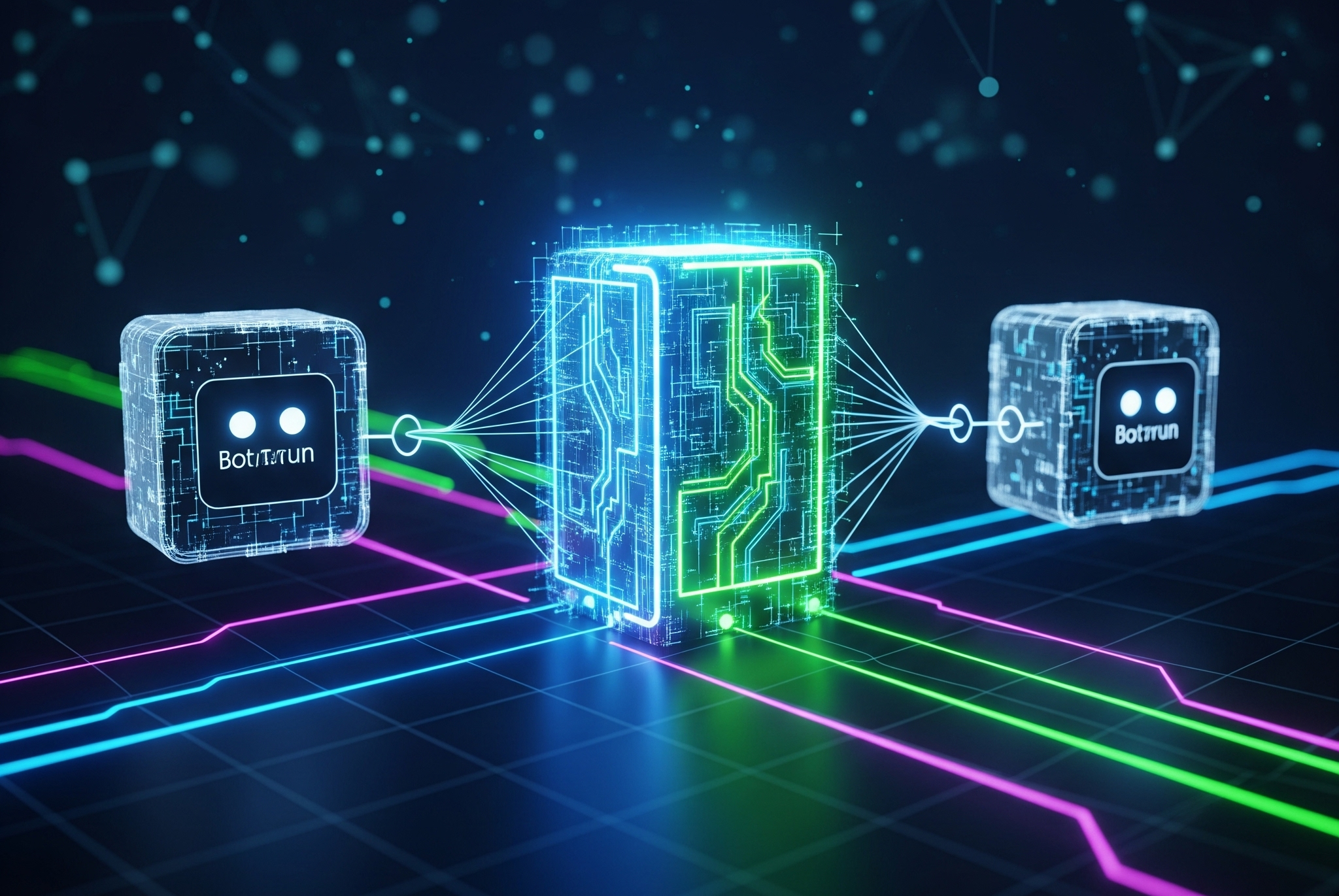
A sandwich attack is a specific type of front-running where a bot places transactions on both sides of yours — one before, one after — to extract value from your trade.
1. Bot detects your pending swap
Your transaction sits in the mempool — visible to everyone — before it’s confirmed. The bot sees it and identifies an opportunity.
2. Bot buys before you (front-run)
The bot submits a buy transaction with a higher gas fee to get processed first. This pushes the token price up slightly.
3. Your trade executes at a worse price
You get less than you would have if the bot hadn’t intervened. Your transaction absorbs the price impact.
4. Bot sells immediately after (back-run)
The bot sells into the price your trade created, locking in a profit. Your trade funded it.
Your transaction becomes the “filling” — sandwiched between the bot’s buy and sell. That’s where the name comes from.
Why Slippage Is the Key Variable
Slippage tolerance is what determines how much a sandwich attack can extract from you. If you set slippage to 0.5%, the bot has limited room to manipulate the price around your trade. If you set it to 5% or higher, the bot can push the price up by up to 5% before your transaction rejects — meaning it has more room to profit.
How to Recognize If You’ve Been Sandwiched
The most common sign is receiving the exact minimum amount shown in your swap confirmation — down to the last decimal. That “minimum received” figure is the worst case allowed by your slippage setting. If you consistently hit it, bots are likely extracting everything up to that limit.
To verify on PolygonScan:
2. Look at the block your transaction is in
3. Check the transactions immediately before and after yours
4. If you see the same token being bought just before your transaction and sold just after — by the same wallet — that’s a sandwich attack
When I was testing swaps on RizeCoin, I knew bots were involved because I’d read about MEV. But I hadn’t actually traced through a block to see the sandwich pattern with my own transactions. The impact was visible in the results — getting minimum amounts consistently — but the mechanism was invisible until I learned to look for it.
For a small liquidity pool like RizeCoin’s, where my own trading was the primary activity, bots had an easy time predicting my behavior. A predictable pattern on a small pool is exactly what sandwich bots target.
How to Reduce Sandwich Attack Risk
Set slippage as low as possible while still completing trades. For major tokens like POL/USDC, 0.5% is usually sufficient. The lower your slippage, the less room bots have to extract value. The trade-off is more failed transactions on volatile or low-liquidity pairs. You can learn how to optimize these settings in the guide on how to set gas fees on Polygon.
Avoid trading in predictable patterns. Repeating the same trade at similar sizes and intervals makes your behavior easy to anticipate. Varying timing and amounts reduces predictability.
Use smaller trade sizes on low-liquidity tokens. Large trades on small pools have higher price impact — which is how AMMs price assets — which makes sandwich attacks more profitable. Splitting a large trade into smaller ones reduces individual exposure.
On major token pairs with deep liquidity — POL, USDC, ETH — sandwich attacks are less profitable because the price impact of any individual trade is small. The problem is more acute on new or small tokens where a single trade can move the price significantly. RizeCoin, with its small pool, was exactly that environment.
Why This Exists and Why It Persists
Sandwich attacks are profitable because blockchain transactions are publicly visible before confirmation. The mempool is open. Anyone can see what’s pending and act on it. This is a fundamental tension in how public blockchains work. Transparency is what makes them trustless — anyone can verify any transaction. But that same transparency is what bots exploit.
Fixing sandwich attacks without removing transparency is a hard problem the ecosystem hasn’t fully solved. Some solutions exist — private transaction channels, MEV protection tools, protocol-level changes. But for most users on Polygon today, the practical answer is to keep slippage low and be aware of common MetaMask mistakes that make your trades easier targets.

Comments